Best eSIM for China (2026): What Works + VPN Tips
Best eSIM for China (2026): what actually works and what to avoid
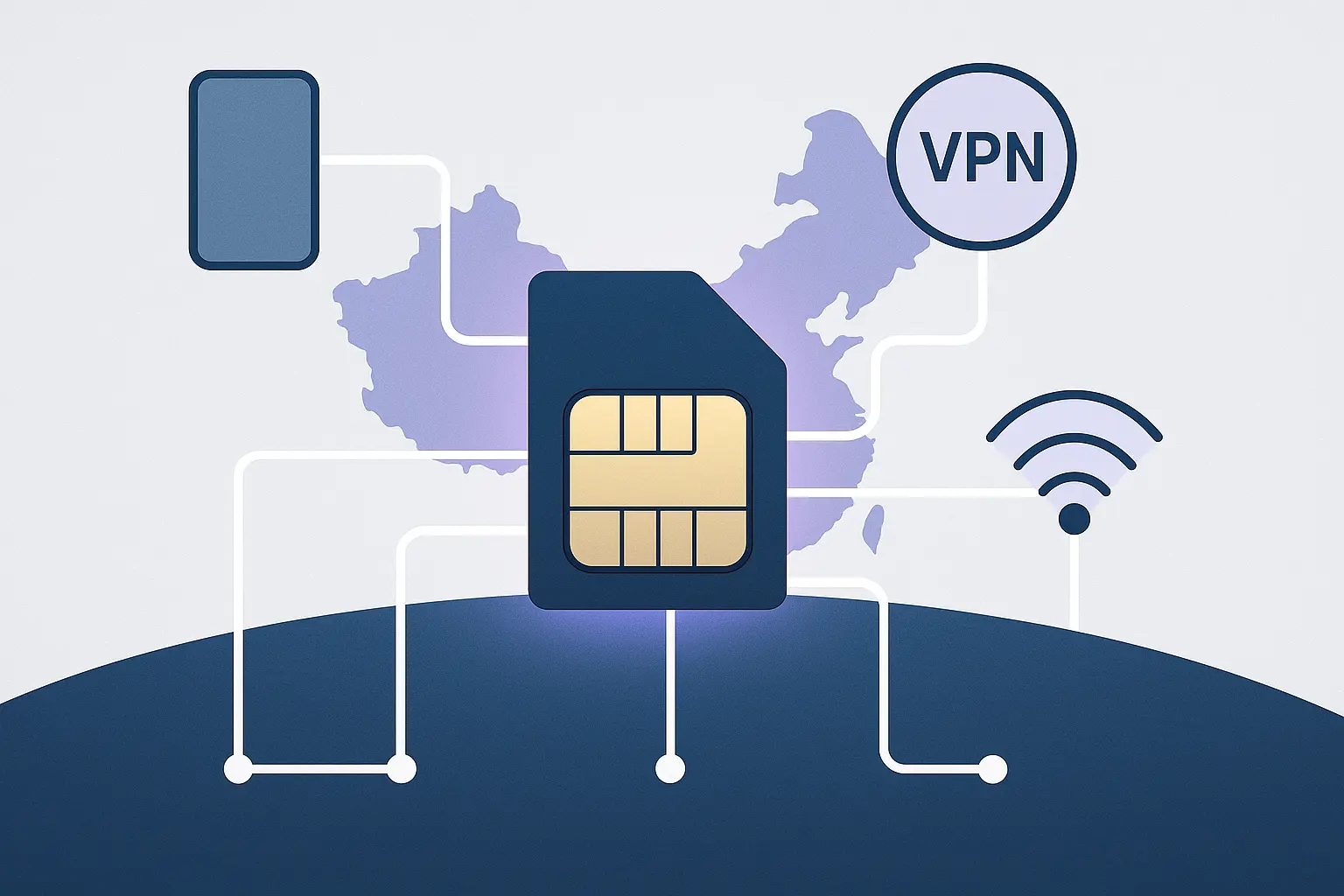
If you need the best esim for china, the real question is not “which brand looks good?” It is which one will actually connect reliably, let you use the apps you care about, and not waste your first hour in China fighting setup issues. For most travelers, the safest direction is a travel eSIM with international routing plus a VPN plan, because local network restrictions can affect some apps even when mobile data itself works fine.
The bigger issue is that China is not a normal roaming destination. Some eSIMs are fast and simple, but they may still route traffic through networks that behave differently from what you are used to. That matters because the best choice is usually the one that balances coverage, activation ease, hotspot support, and realistic data limits.
What matters most when choosing the best esim for china
Do not shop on price alone. A cheap plan that fails to activate cleanly, blocks tethering, or runs out of data halfway through a trip is worse than paying a little more for a dependable option.
- China compatibility: Not every travel eSIM is truly reliable in mainland China. Some work only through roaming partners, and some are inconsistent in specific cities or on certain devices.
- VPN tolerance: If you need access to Google services, messaging apps, or other restricted tools, the eSIM should work smoothly with your VPN. The data line itself is not the whole story.
- Hotspot support: A lot of travelers need to share data with a laptop or tablet. Some plans allow tethering, others do not.
- Validity and data size: Short trips are easy to overbuy. Long stays need more flexible validity windows and a realistic data allowance.
- Setup simplicity: QR-code installation and fast activation matter, especially if you land late or cannot rely on airport Wi-Fi.
- Support quality: If something goes wrong, responsive support is worth more than a small discount.
If you want the wider buying framework, our what is esim and best esim for travel guides are useful background. For China specifically, the setup details matter more than the marketing claims.
Quick comparison of the best eSIMs for China
| Provider | Starting price | Best for | Main strength | Main limitation |
|---|---|---|---|---|
| Airalo | Low | Budget-conscious short trips | Easy setup and wide device support | Can be less generous on data than premium rivals |
| Nomad | Low to mid | Simple, dependable travel data | Good balance of price and usability | Not always the cheapest for heavier usage |
| Holafly | Mid to high | Unlimited-data convenience | No need to track small data caps | Fair-use limits and hotspot rules can apply |
| Ubigi | Mid | Longer stays and stable daily use | Solid network performance in many regions | Plan structure may be less intuitive |
| Maya Mobile | Mid | Flexible travelers who need more options | Good variety of plan sizes and durations | Less familiar brand for some buyers |
Best eSIM for China: the top picks that make sense
1) Airalo: best budget-friendly choice for most short trips
Airalo is usually the first place to look if you want a straightforward answer to the best esim for china on a budget. It is easy to buy, easy to install, and generally low-friction for travelers who just want data working fast after landing.
Why it stands out: clear app-based purchase flow, wide device support, and a low entry price. That makes it a strong choice for city breaks, business trips, and travelers who mainly need maps, messaging, ride-hailing, and light browsing.
The catch: Airalo is not the best pick if you are a heavy data user or if you expect to use a lot of tethering. It is the smarter option when convenience and cost matter more than maximum data value.
Choose it if: you want a low-risk, well-known eSIM and do not want to spend time comparing complicated plan structures.
2) Nomad: best balance of price and reliability
Nomad is the better choice for most people who want a dependable travel eSIM without overpaying for unlimited data they will not fully use. It tends to hit the sweet spot between affordability and a clean user experience.
Why it stands out: good plan variety, simple activation, and a reputation for being one of the safer picks for travelers who value practicality over gimmicks. For many users, this is the strongest all-around alternative to Airalo.
The catch: it is not always the cheapest option for very short stays, and power users may still feel constrained by standard data caps.
Choose it if: you want the most balanced answer to best esim for china without paying premium unlimited pricing.
3) Holafly: best for heavy data users who want simplicity
Holafly is the obvious pick if your biggest fear is running out of data. If you stream, upload content, use maps all day, or do remote work on the move, unlimited-style plans can be worth the premium.
Why it stands out: no need to constantly monitor usage, and that alone is valuable for longer trips. It is also appealing for less technical travelers who want one decision and one setup.
The catch: unlimited does not always mean unrestricted. Fair-use policies, hotspot limits, or speed management can make it less flexible than it first appears. It is worth paying more for if you genuinely use a lot of data, but not worth it if you only need moderate usage.
Choose it if: you want the least amount of data anxiety and are okay paying more for convenience.
4) Ubigi: best for longer stays and steadier everyday use
Ubigi is a strong option when the trip is longer and you care about consistent daily connectivity more than headline pricing. It is often a better pick for travelers who use their phone as a real working tool, not just a backup.
Why it stands out: stable network performance, practical plan choices, and a more polished feel than some discount-first providers. If you are staying in China for several weeks, it can be more comfortable than constantly topping up small bundles.
The catch: the plan structure may feel less immediately intuitive than a more mainstream travel app. You may need a minute to compare options carefully.
Choose it if: you want something reliable for longer travel, side work, or regular daily data use.
5) Maya Mobile: best for flexible travelers who want more plan variety
Maya Mobile is a useful pick for travelers who like having several package types to choose from. It is not the loudest brand, but that can be a plus if you want more control over how much data and time you buy.
Why it stands out: flexible options, straightforward purchasing, and a decent fit for travelers who are trying to match plan size to actual usage instead of overcommitting.
The catch: it does not have the same mainstream recognition as Airalo or Holafly, so some buyers may prefer a more familiar name.
Choose it if: you want a practical middle ground and value flexible plan selection over brand familiarity.
6) Local SIM alternatives: worth considering only in specific cases
If you are staying a long time, need a large amount of data, or can buy one easily after arrival, a local SIM or local eSIM can make sense. For most travelers, though, this is not the easiest route.
Why it stands out: sometimes the best price per GB, especially for extended stays.
The catch: setup can be more complicated, registration rules can be inconvenient, and support may be less travel-friendly than international eSIM brands. This is not the safest option for a short trip or first-time visitor.
Choose it if: you are staying in China long enough for the extra setup effort to pay off.
What is the best esim for china for most people?
The best esim for china for most travelers is Nomad if you want the best overall balance, or Airalo if your priority is the simplest low-cost choice. That is the honest answer for most readers.
If you need unlimited-style data and do not want to think about usage, Holafly is the better pick. If you are staying longer and care about stability more than bargain pricing, Ubigi is the smarter option.
VPN tips for China: what works with an eSIM
An eSIM gives you mobile data, but it does not automatically solve access issues for every app. If you need services that are blocked or unstable on local networks, install and test your VPN before you leave.
- Set it up at home: download the VPN app, sign in, and confirm it works before traveling.
- Keep a backup server list: some VPN endpoints get blocked or become slow. Having two or three options saves time.
- Do not rely on public Wi-Fi: mobile data plus VPN is usually safer and more predictable than hotel or café Wi-Fi.
- Test important apps immediately: messaging, maps, email, cloud storage, and work tools should be checked as soon as you land.
- Expect variability: a VPN that works one day may be less stable the next. That is normal enough in this market.
If you are comparing connectivity options more broadly, our esim vs roaming guide helps explain why a travel eSIM plus VPN often beats expensive carrier roaming for China trips.
Which option fits your trip?
- Best for most people: Nomad, because it is the safest balance of price, ease, and practical value.
- Best budget pick: Airalo, especially for short city breaks and light-to-moderate use.
- Best for heavy data: Holafly, if you want less monitoring and can live with policy limits.
- Best for longer stays: Ubigi, for steadier everyday use and fewer small-plan headaches.
- Best for flexibility: Maya Mobile, if you want more choice in plan size and duration.
Mistakes to avoid before you buy
The most common mistake is buying the cheapest plan and assuming it will feel the same as premium service. In China, the difference between a smooth trip and a frustrating one is often hidden in the details.
- Do not ignore hotspot rules. If you need tethering, check it before checkout.
- Do not assume unlimited means unlimited in practice. Fair-use policies can matter a lot.
- Do not wait until arrival to install. Setup is much easier on stable Wi-Fi at home.
- Do not buy more data than you need. Short trips often need less than travelers expect.
- Do not skip the VPN setup. The eSIM solves connectivity, not every access issue.
Final verdict: the best esim for china in 2026
If you want the best esim for china without overthinking it, Nomad is the best overall pick for most travelers. It gives you a good mix of reliability, price, and ease of use.
Airalo is the safer budget choice, Holafly is best for heavy users who want convenience, and Ubigi is a solid option for longer trips. The right answer depends less on brand hype and more on how much data you need, whether you use hotspot, and how much setup hassle you are willing to tolerate.
For China, the winning formula is simple: buy the eSIM before departure, install it early, and pair it with a working VPN plan. That is the practical route to staying connected without surprises.
FAQ
Can I use an eSIM in China?
Yes, many travel eSIMs work in China. The key is choosing a provider with reliable mainland coverage and checking whether hotspot and data limits fit your trip.
Do I still need a VPN with a China eSIM?
Usually, yes. A VPN is often necessary if you want dependable access to certain apps and websites that may be restricted or inconsistent on local networks.
What is the cheapest good eSIM for China?
Airalo is often the best low-cost starting point. It is not always the absolute cheapest, but it is usually one of the easiest budget-friendly options to trust.
Is unlimited data worth it for China travel?
Only if you will genuinely use a lot of data or want to avoid monitoring usage. For light and moderate users, a standard capped plan is often better value.
Should I buy my China eSIM before I travel?
Yes. Buying and installing it before departure makes activation easier and reduces the chance of setup problems after landing.